
Top-Rated Foundation Repair Products for Long-Lasting Stability
Find the most trusted products that provide durable solutions to common foundation problems and protect your property investment.
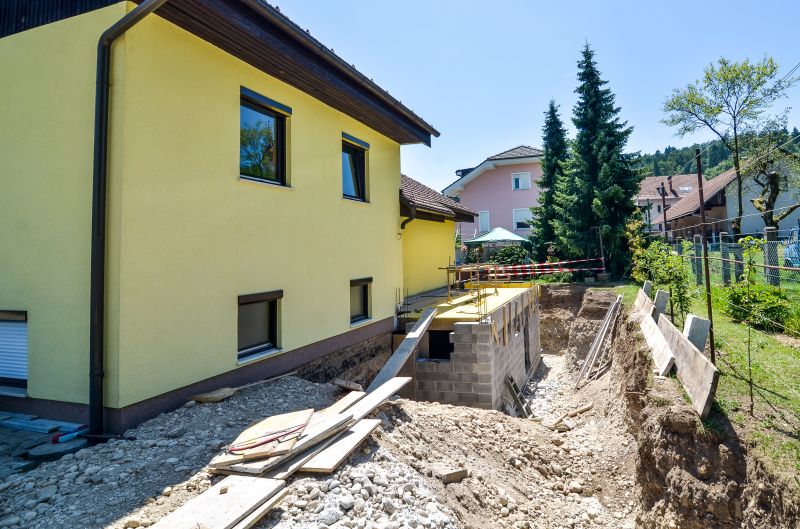 Foundation repairs are a critical aspect of maintaining the structural integrity and safety of a building. When issues such as cracks, uneven floors, or shifting occur, it is essential to select appropriate products that can address the specific needs of the foundation. These products vary widely in their design, application, and suitability for different types of foundation problems. Understanding the options available can help homeowners and contractors make informed decisions to ensure long-term stability.
Types of Products For Foundation Repairs
Carbon Fiber Reinforcement Strips
Used to reinforce and stabilize cracked or bowed basement walls and slabs, these strips are bonded with epoxy to provide additional strength and prevent further movement.
Hydraulic Push Piers
These piers are driven into stable soil beneath the foundation to lift and support sinking structures, providing long-term stability.
Helical Piers
Helical piers are screwed into the ground to reach load-bearing soil, often used for underpinning and stabilizing foundations.
Mudjacking / Slab Jacking
This method involves injecting a slurry beneath concrete slabs to lift and level uneven surfaces caused by soil settlement.
Epoxy Injection Kits
Designed for sealing and repairing cracks in concrete, epoxy injections restore strength and prevent water intrusion.
Steel Push Piers
Steel push piers are driven into stable soil to lift and support foundations, offering a durable solution for settling issues.
Soil Stabilization Grouts
These grouts are used to strengthen weak or loose soil around the foundation, reducing future settlement risks.
Underpinning Systems
Underpinning involves installing additional support beneath the foundation to restore stability and correct settlement.
Concrete Patching Compounds
Used for repairing surface cracks and minor damages on foundation walls and slabs, restoring surface integrity.
Drainage Systems
Proper drainage solutions help divert water away from the foundation, reducing hydrostatic pressure and water-related damage.
Injection Grout
Grouts are injected into soil or cracks to fill voids and improve soil support around the foundation.
Vapor Barriers
Installed beneath slabs or within crawl spaces, vapor barriers help control moisture and prevent foundation movement caused by water damage.
Anchor Bolts and Braces
These are used to stabilize and reinforce walls and structures affected by shifting or cracking.
Polyurethane Foam Sealants
Sealants expand to fill gaps and cracks, providing water-tight seals and preventing further deterioration.
Popular Choices
A widely used method for crack sealing and void filling, appreciated for its quick application and adaptability.
Commonly selected for underpinning, these piers provide support for settling foundations.
Popular for crack repair, epoxy kits offer a strong seal and restore concrete integrity.
Frequently chosen to level concrete slabs, this method offers a minimally invasive solution.
Often used in various foundation stabilization projects, these piers are valued for their versatility.
Effective in scenarios with loose or weak soil, these grouts help prevent future settlement.
A durable option for supporting and lifting foundations, especially in severe settlement cases.
Installing proper drainage is a common preventative measure to protect foundations from water damage.
Widely used in crawl spaces and slab installations, vapor barriers help maintain moisture levels.
Sealants designed for cracks are frequently used to prevent water intrusion and further cracking.
In White House, TN, where the soil conditions and climate can influence foundation health, choosing the right repair products is especially important. Many products are designed to stabilize, lift, or reinforce foundations, each catering to different types of damage and underlying causes. Proper assessment and selection of repair materials can prevent further deterioration and protect the structural safety of the building.
Effective foundation repair often involves a combination of products and techniques, including underpinning, helical piers, mudjacking, and epoxy injections. Each method and product type serves a specific purpose, whether to lift a settling foundation, fill voids, or seal cracks. Consulting with a foundation specialist can help determine the most suitable products for your particular situation, ensuring that repairs are durable and effective over time.
Key Buying Considerations
- Assess the type and extent of foundation damage to select appropriate products.
- Consider the soil conditions and how they influence foundation stability.
- Evaluate whether the repair requires lifting, stabilization, or crack sealing.
- Determine if the product is compatible with existing foundation materials.
- Review the curing time and application process for each product type.
- Check for professional installation requirements or if DIY solutions are feasible.
- Consider the long-term durability and maintenance needs of the repair products.
- Ensure that the selected products are suitable for the local climate and weather conditions.
- Look into the compatibility of products with water management and drainage systems.
- Verify the safety and handling instructions for each product, especially for DIY projects.
- Assess the cost-effectiveness and warranty options available.
- Research the reputation and reviews of the product or brand.
- Determine if additional tools or equipment are needed for installation.
- Understand the environmental conditions that might affect product performance.
- Consult with a foundation specialist for tailored recommendations.